LIQUID MERCURY
LIQUID MERCURY

LIQUID MERCURY

Price 29.0 USD ($)/ Kilograms

MOQ : 10 Kilograms

LIQUID MERCURY Specification

  • Structural Formula
  • Hg
  • Melting Point
  • -38.83 C
  • Molecular Formula
  • Hg
  • Solubility
  • Insoluble in water
  • Molecular Weight
  • 200.59 Kilograms (kg)
  • Ph Level
  • NOT APPLICATBLE
  • Grade
  • Industrial Grade
  • Smell
  • Other
  • Shape
  • other
  • Boiling point
  • 356.62 C
  • Density
  • 13.53 g/cm at 20 C Gram per cubic centimeter(g/cm3)
  • Physical Form
  • Liquid
  • Chemical Name
  • Other
  • CAS No
  • 7439-97-6
  • Type
  • Other
  • Color
  • Silver-white
  • EINECS No
  • 231-106-7
  • Purity(%)
  • 99
  • Storage
  • Other
  • Appearance
  • Other


About LIQUID MERCURY

Mercury, commonly known as quicksilver, has the CAS number 7439-97-6 and is the only metal element that remains liquid at room temperature. It appears silver-white with a mirror-like luster, has a melting point of -38.83C and a boiling point of 356.62C. Below are product images of mercury, along with detailed information on its content, packaging, and pricing:


1. Liquid metallic mercury (quicksilver) in a glass container:

Mercuryalso commonly referred to as quicksilverwhen said to be "excessive," typically refers to heavy mercury compounds including elemental mercury, inorganic mercury, and organic mercury.


2. High-purity mercury (quicksilver) in reagent bottles:

High-purity liquid mercury (quicksilver), solid form (illustrated). High-purity liquid mercury (quicksilver), solid form (illustrated).


3. Product image of mercury with 99.999% purity:

Mercury (Hg), Mercury (Hg)


Purity Specifications

Industrial grade: Common purities include 99%, 99.9%, and 99.99%, used in industries such as chlor-alkali production, instrumentation, and alloy manufacturing.

High-purity / Electronic grade: 99.999%99.999995% (5N8N), used in semiconductors, scientific research, and similar fields.

Reagent / Standard material grade: For example, China's national standard reference material GBW08617, mercury mono-element solution standard substance, with a certified value of 1000 g/mL and an uncertainty of 1 g/mL.


Additionally available in red mercury powder (cinnabar ore powder) form, with mercury content approximately 90%96.1%, sourced as imported mineral raw material.


Packaging Forms

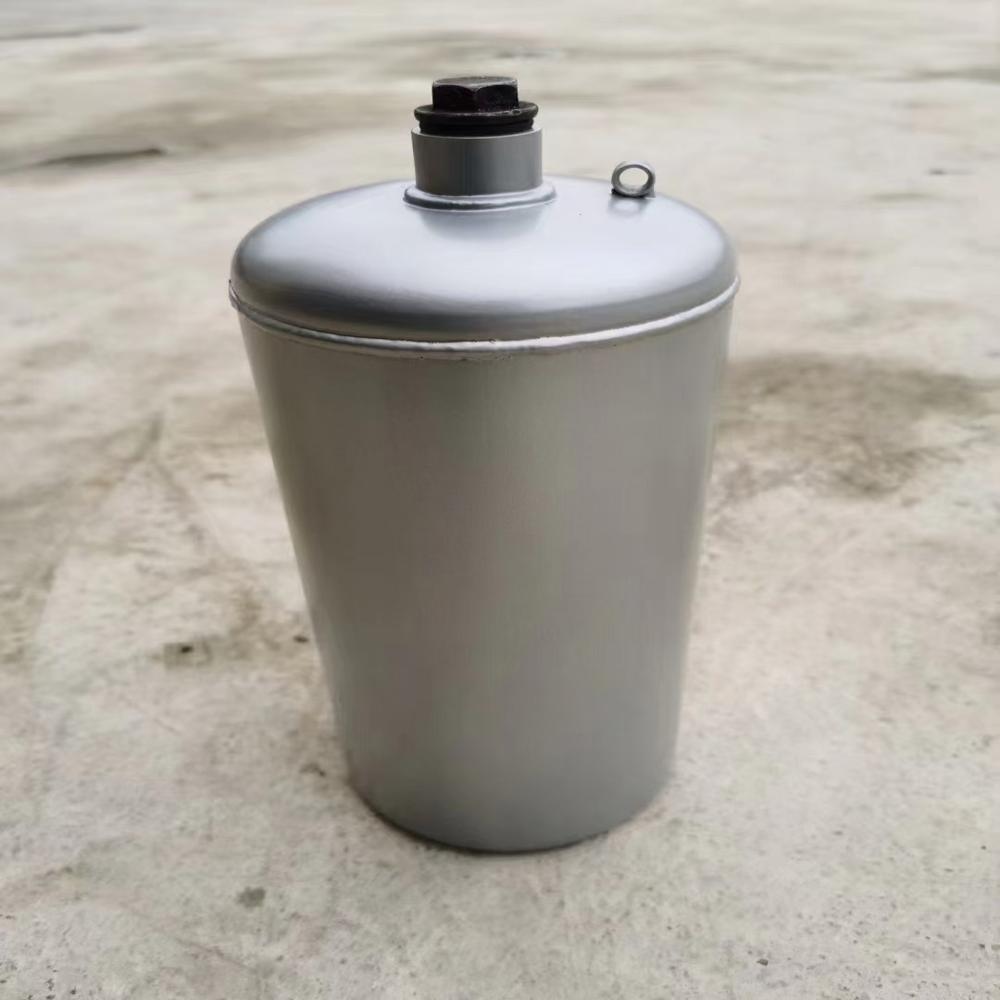
Industrial grade: Standard packaging is 34.5 kg per flask, shipped in wooden crates; also available in 35.5 kg gross weight specifications.

Reagent / Small packaging: Commonly 500 g per bottle; standard substances are typically 20 mL per ampoule.


Mercury and its vapors are toxic. Storage and transportation require sealing, heat avoidance, and proper ventilation, and must comply with hazardous chemical regulations.


Price Reference

Channel | Reference Price | Notes

Indian supplier (Ottokemi) | 77,040 INR/500 g | 99% purity, bottled, includes 18% GST, equivalent to 154,080 INR/kg

Indian supplier | 34.5 kg/drum | Large packaging requires separate quotation

Domestic platforms | Starting from 200 CNY/kg | Spot prices in Tianjin and other regions, fluctuating with market conditions

Domestic standard materials | 45 CNY/20 mL | GBW08617 mercury standard solution, for research purposes


Based on your previous exchange rate of 1 USD 95.17 INR, the Indian 500 g package priced at 77,040 INR is approximately 809 USD/500 g, or about 1,618 USD/kg. This represents a small-packaged high-purity reagent price and cannot be directly compared to industrial-grade tonnage pricing.


Key Physical Properties

Liquid Mercury is notable for its high density and metallic sheen, presenting a silver-white coloration. It possesses a melting point of -38.83C and a boiling point of 356.62C, remaining stable in its liquid form at room temperature. This makes it uniquely valuable for a range of industrial and scientific applications.


Industrial Applications and Uses

Mercury's primary uses include the production of scientific measuring instruments like thermometers, as well as electrical switches and fluorescent lighting. Its chemical stability and liquid form allow it to efficiently conduct electricity and facilitate precise measurements, benefitting various manufacturing and research sectors.


Handling and Storage Guidelines

Due to its toxic nature, liquid mercury should always be handled with appropriate safety precautions. Store it in tightly sealed containers, away from heat, in well-ventilated areas. Industrial-grade mercury must be used in compliance with safety standards to prevent exposure and environmental contamination.

FAQ's of LIQUID MERCURY:


Q: How is liquid mercury typically used in industrial processes?

A: Liquid mercury is widely used in the manufacturing of thermometers, barometers, and electrical switches, thanks to its ability to remain liquid at room temperature and conduct electricity efficiently.

Q: What safety procedures should be followed when handling liquid mercury?

A: Proper handling of liquid mercury involves using protective equipment, working in well-ventilated areas, and storing it in sealed, corrosion-resistant containers to avoid spills and exposure.

Q: Where is liquid mercury most commonly supplied and exported?

A: Liquid mercury is exported and supplied globally, with significant demand from laboratories, manufacturing facilities, and research institutions that require high purity mercury for industrial and scientific applications.

Q: What benefits does industrial-grade liquid mercury offer over lower purity types?

A: Industrial-grade mercury, with its 99% purity, ensures consistent quality and reliable performance, which is essential for applications where contamination could compromise accuracy or device functionality.

Q: When is the use of liquid mercury preferred over alternatives in manufacturing?

A: Liquid mercury is preferred in situations where precise measurement and stable conductivity are needed-such as in scientific instruments-or when extreme tempertures make other materials less effective.

Q: What are the processes involved in the extraction and purification of mercury?

A: Mercury is typically extracted from cinnabar ore using roasting, after which it is condensed and purified through distillation to achieve high purity levels required for industrial use.

Tell us about your requirement
product

Price:

Quantity
Select Unit

  • 50
  • 100
  • 200
  • 250
  • 500
  • 1000+
Additional detail
Mobile number

Email

More Products in Chemical Additives Category

Potassium Dihydrogen Phosphate

Potassium Dihydrogen Phosphate

Minimum Order Quantity : 100 Kilograms

Usage : Other, Fertilizers, Food additives, Laboratory reagent

Appearance : Other, White crystalline powder

CAS No : 7778770

Grade : Other, Industrial, Food, Agriculture
Betaine Anhydrous

Betaine Anhydrous

Minimum Order Quantity : 100 Kilograms

Usage : Other, Animal Feed, Dietary Supplement, Pharmaceutical Intermediate

Appearance : Other, White crystalline powder

CAS No : 107437

Grade : Other, Feed Grade, Pharma Grade, Food Grade
Citric Acid

Citric Acid

Minimum Order Quantity : 100 Kilograms

Usage : Other, Food Industry, Pharmaceutical Industry, Cosmetics, Detergents, Industrial Applications

Appearance : Other, Crystalline Powder

CAS No : 77929

Grade : Other, Food Grade, Industrial Grade
Corn Starch Modified Starch for Food and Industry

Corn Starch Modified Starch for Food and Industry

Minimum Order Quantity : 100 Kilograms

Usage : Other, Food Industry, Industrial Applications

Appearance : Other, Fine Powder or Granular

CAS No : 9005258

Grade : Other, Food Grade / Industrial Grade


Back to top